01The Connection Paradox
Serverless functions (AWS Lambda) are built for short-lived, request-response cycles. AI agents, however, often require persistent WebSocket connections to maintain "eyes on" a task or to stream long-form reasoning.
If you kill the connection, you kill the agent's context. How do we keep the conversation alive when the underlying compute is designed to die?
02The Bridge Server Innovation
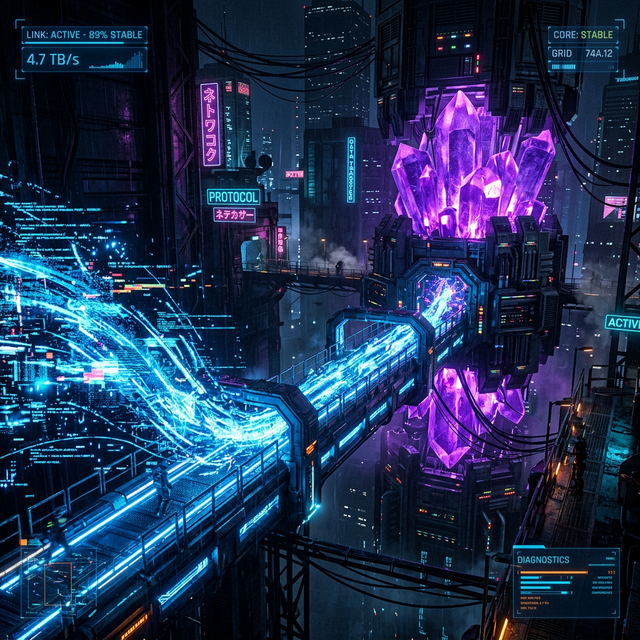
We implemented a custom **Bridge Server** inside the Fargate container. This bridge acts as a protocol translator. It accepts ephemeral HTTP POST requests from the Lambda gateway and translates them into persistent internal signals for the OpenClaw core.
03Piping Intent
When a message arrives via Telegram, the Lambda Gateway spins up the Fargate container if it's not already running. The Bridge Server then "re-hydrates" the session state from DynamoDB and establishes a WebSocket connection to the AI provider.
04Stateless But Connected
The Bridge Pattern allows `serverlessclaw` to maintain the illusion of a persistent server while benefiting from the cost savings of ephemeral compute. It's the technical glue that makes the $1/month AI agent possible.
In our next entry, **Omni-Channel Command**, we'll explore how this bridge connects to six different messaging platforms simultaneously.